 Undergraduate
From October 13 to 16, 2026, Can Tho University (CTU), in collaboration with Chiang Mai University (Thailand), the International Development Research Centre (IDRC, Canada), and FutureFish (United Kingdom), organized the “4th Peer-Learning Event” on climate-resilient aquaculture in Can Tho city, Vietnam. The program was held in conjunction with the fourth project meeting and experience-sharing session of AQUADAPT-Nature (AQN). Bringing together more than 100 participants from 18 foreign countries across five continents, the program provided an international platform for academic exchange, practical knowledge sharing, and research collaboration to explore more effective approaches to addressing the increasingly severe challenges posed by climate change to the aquaculture sector.
As climate change creates an urgent need to transform production practices and resource management, aquaculture must not only improve economic efficiency but also strengthen ecosystem resilience, safeguard community livelihoods, and ensure long-term sustainability. Connecting research findings with practical experiences, while fostering greater exchange among scientists, research institutions, and relevant stakeholders, is therefore essential to developing solutions suited to local conditions. This approach underpinned the program, which emphasized linking scientific knowledge with production realities and the broader requirements of sustainable development.
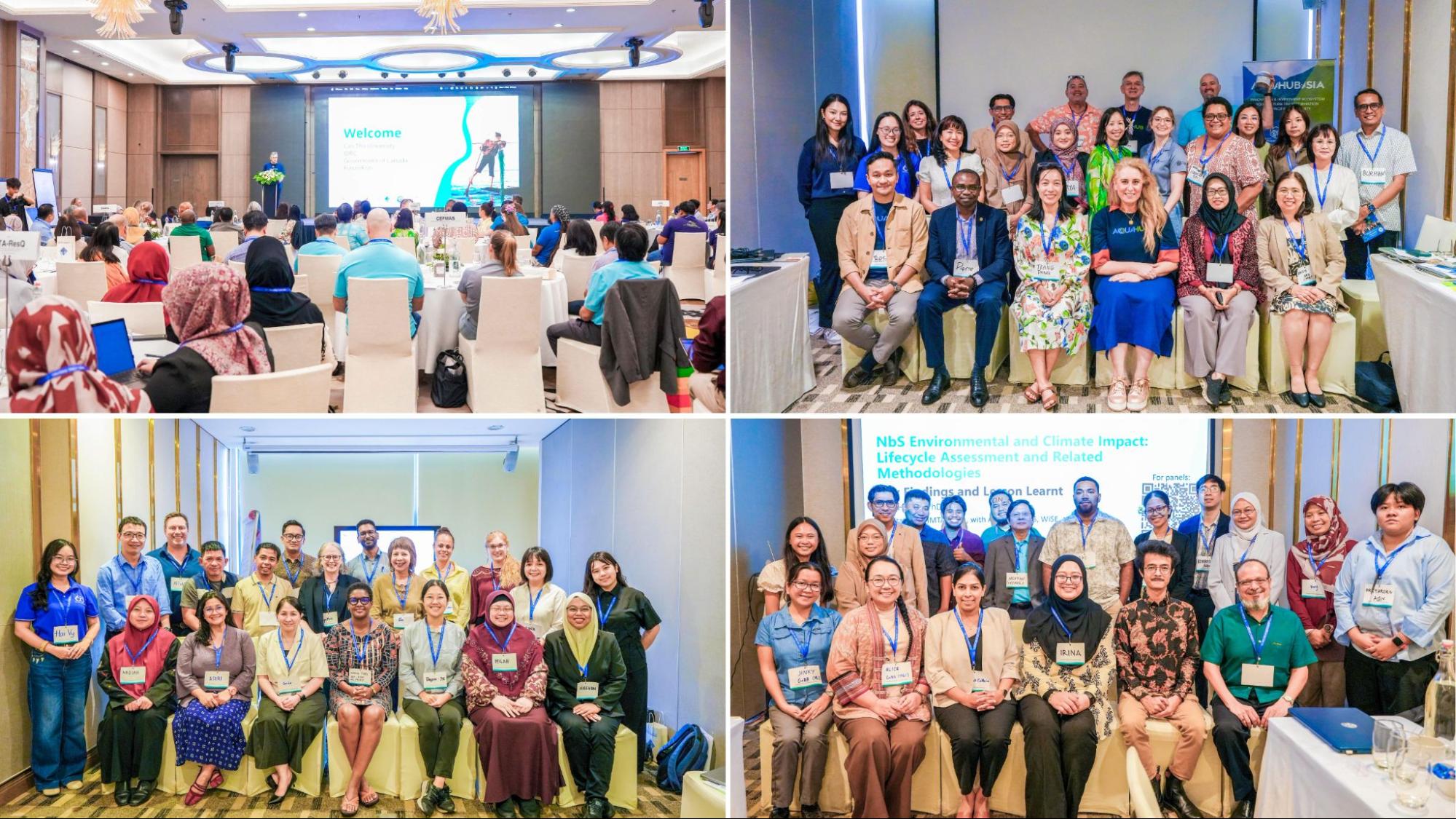
A program featuring parallel sessions and multidirectional exchange
The program was organized under the AQUADAPT-Nature project, officially titled Nature-based Practices and Aquaculture Adaptation to Climate Change in Thailand and Vietnam. Funded by IDRC and coordinated by Chiang Mai University, the project involves the College of Aquaculture and Fisheries of CTU, which leads the research activities in Vietnam. Through collaboration among the participating partners, the project investigates nature-based practices and climate change adaptation in aquaculture in Thailand and Vietnam, contributing scientific evidence to inform the selection, assessment, and development of solutions suited to local contexts.
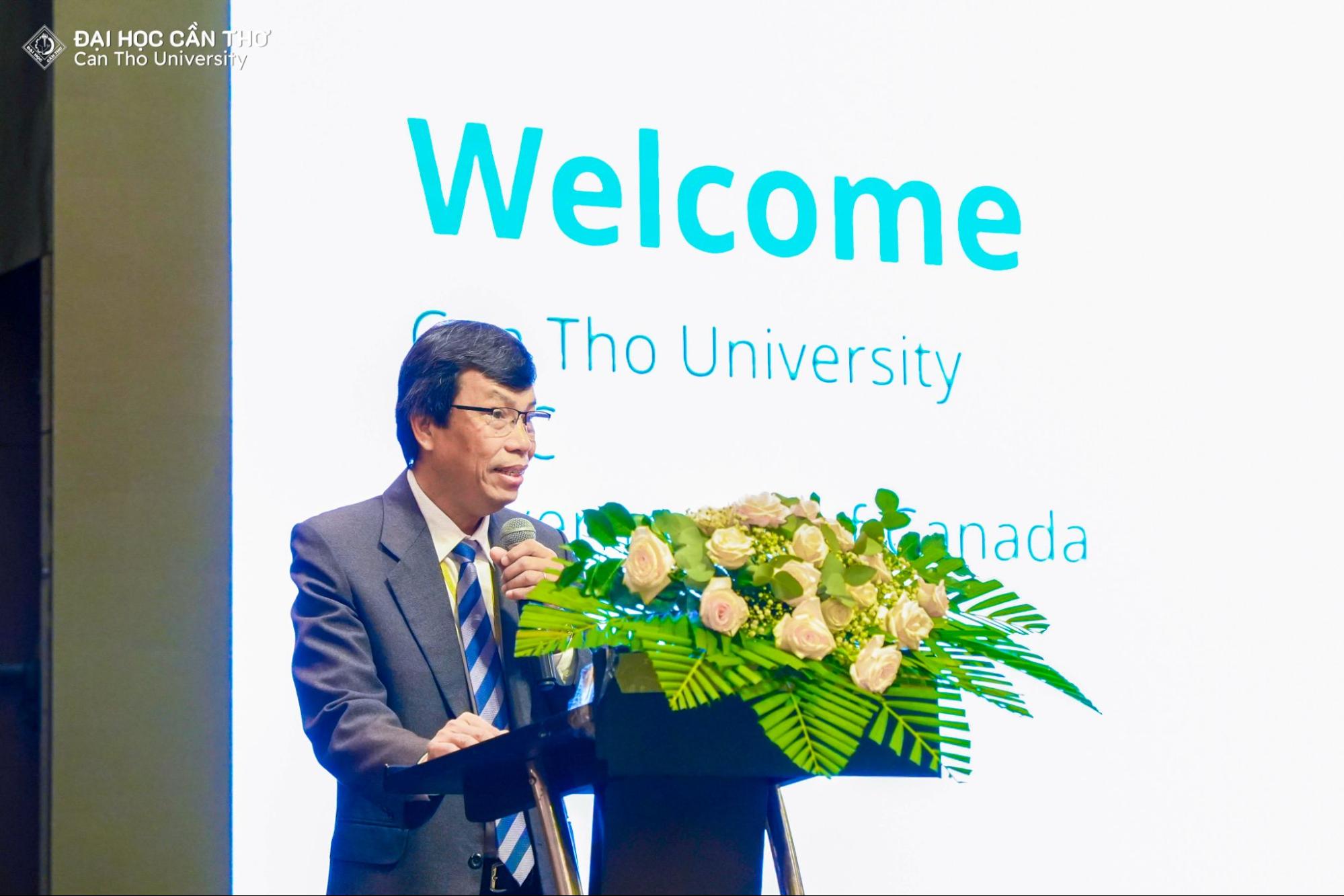
Prof. Dr. Tran Ngoc Hai - Acting President of CTU, attended and delivered the opening remarks
Connecting Scientific Knowledge with the Practical Challenges Facing Aquaculture
During the thematic sessions, participants discussed research methodologies, indicator frameworks for assessing nature-based adaptation, and the project's key research findings. Discussions focused on the concepts, criteria, and impacts of Nature-based Solutions (NbS); climate change adaptation; Gender Equality and Social Inclusion (GESI); and the role of the private sector in developing and applying such solutions.
Bringing these themes together highlighted the need to address aquaculture challenges from multiple perspectives. Adaptation solutions must be assessed not only in terms of technical performance and their potential to improve production conditions, but also in relation to ecosystem health, access to resources, and the participation of different community groups. In addition, private-sector engagement is an important consideration when examining the conditions required for implementation and the long-term viability of solutions in practice. Through these discussions, the program fostered a more comprehensive approach to professional exchange, linking scientific priorities with the social and economic realities of aquaculture.
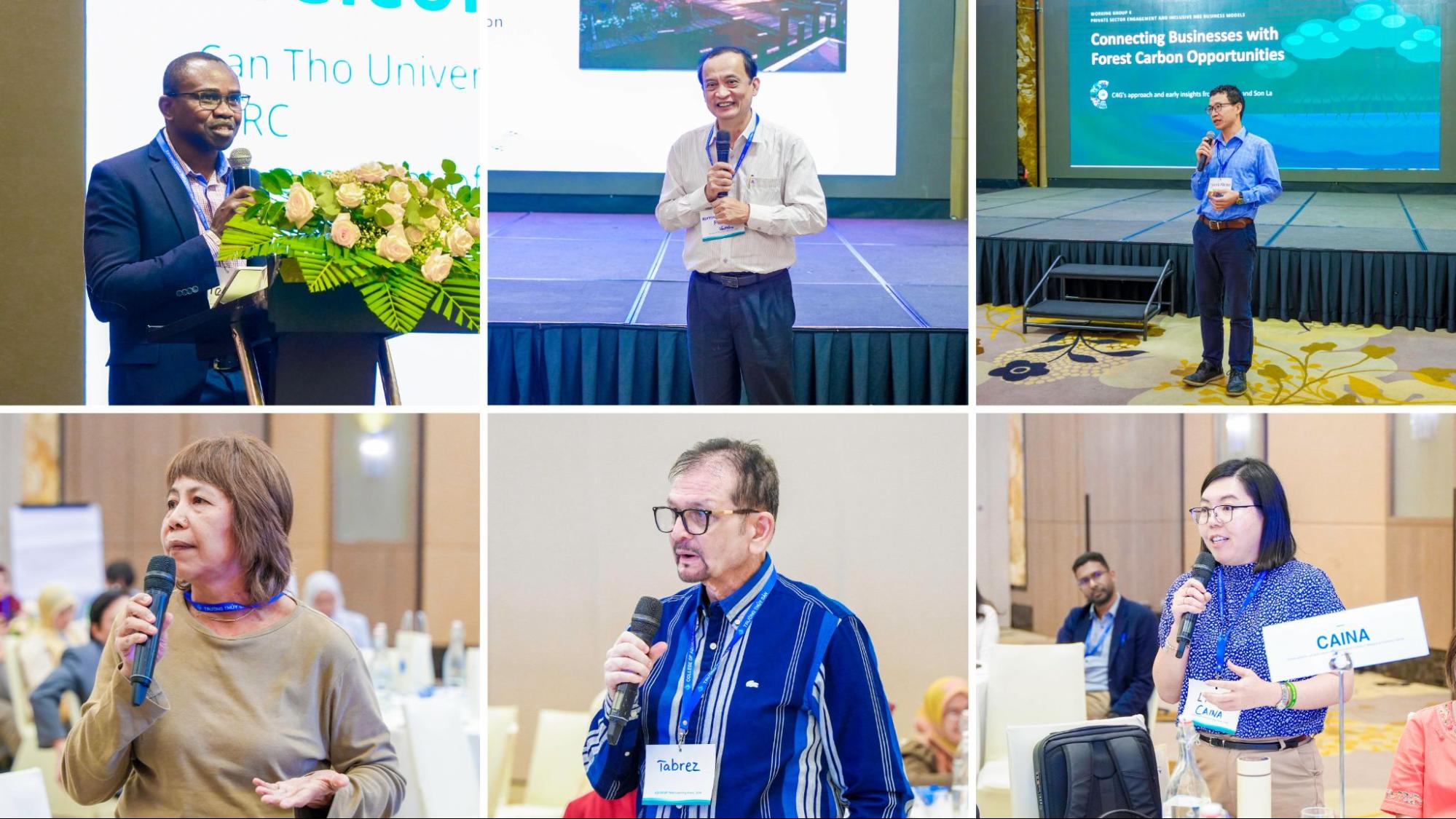
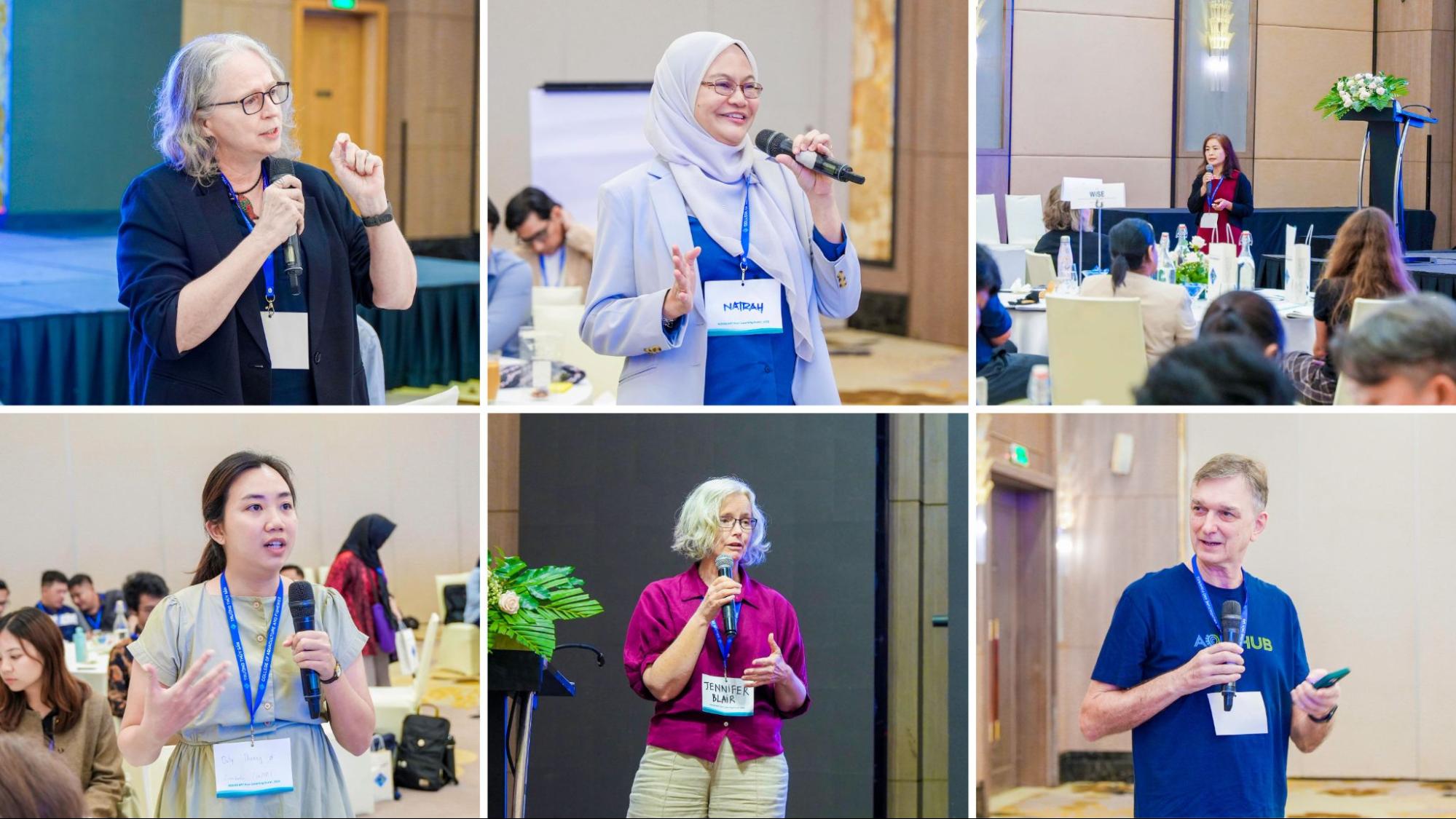
Speakers and participants shared experiences, exchanged professional insights, and discussed nature-based solutions to advance climate-resilient aquaculture
Alongside the presentation of research findings, the program included a review of project progress, the synthesis of lessons learned, and discussions of preliminary findings. The poster exhibition provided research teams with an opportunity to present their results, receive feedback, and engage in further academic exchange. A dedicated in-depth discussion sessions for early-career researchers also fostered intergenerational learning, encouraging the sharing of methodologies, experiences, and perspectives on common challenges facing the aquaculture sector.
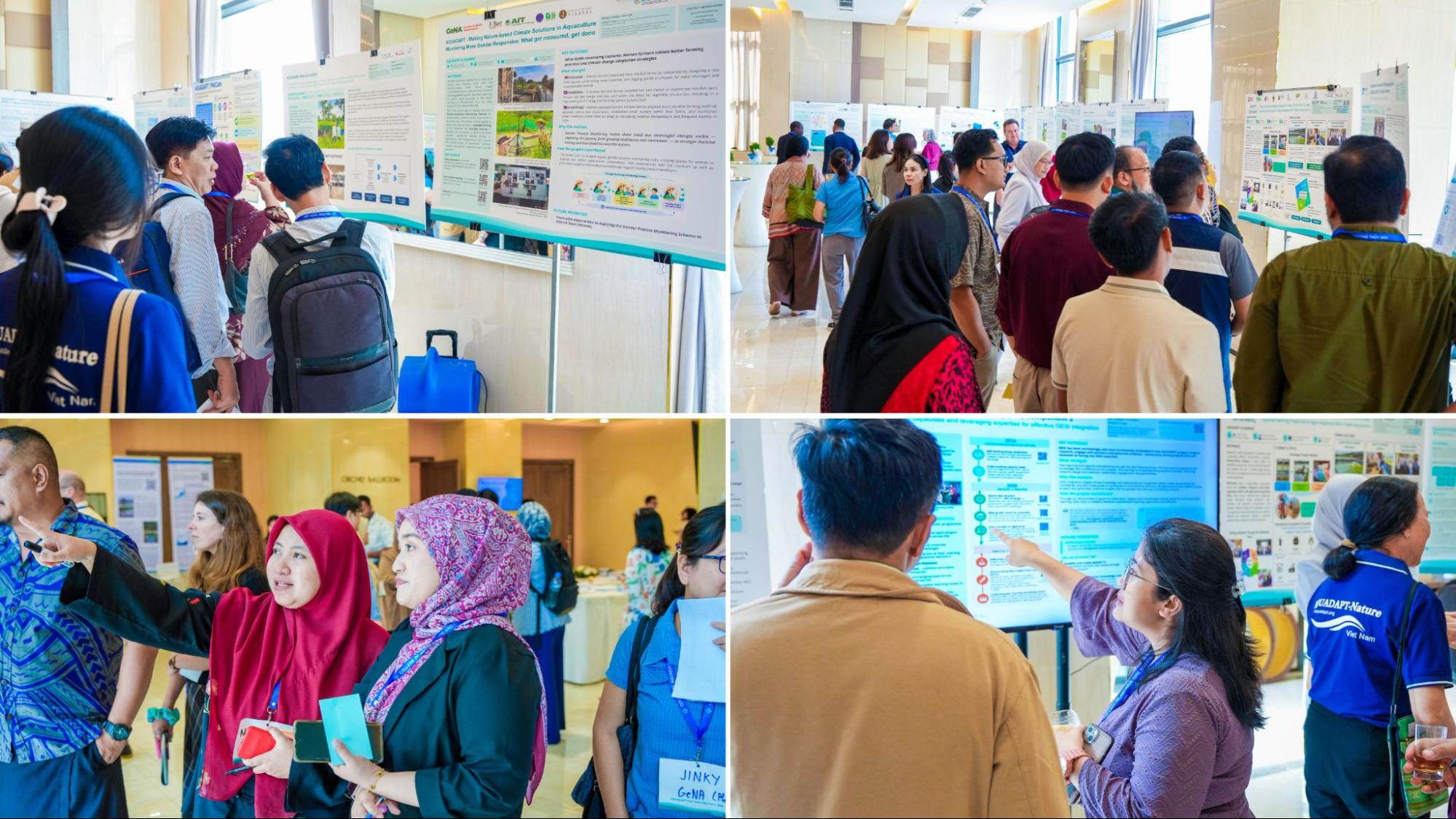
Research teams presented their findings through posters, engaged in academic exchange, and received feedback from participants
From Practical Models to Strategies for Scaling Impact
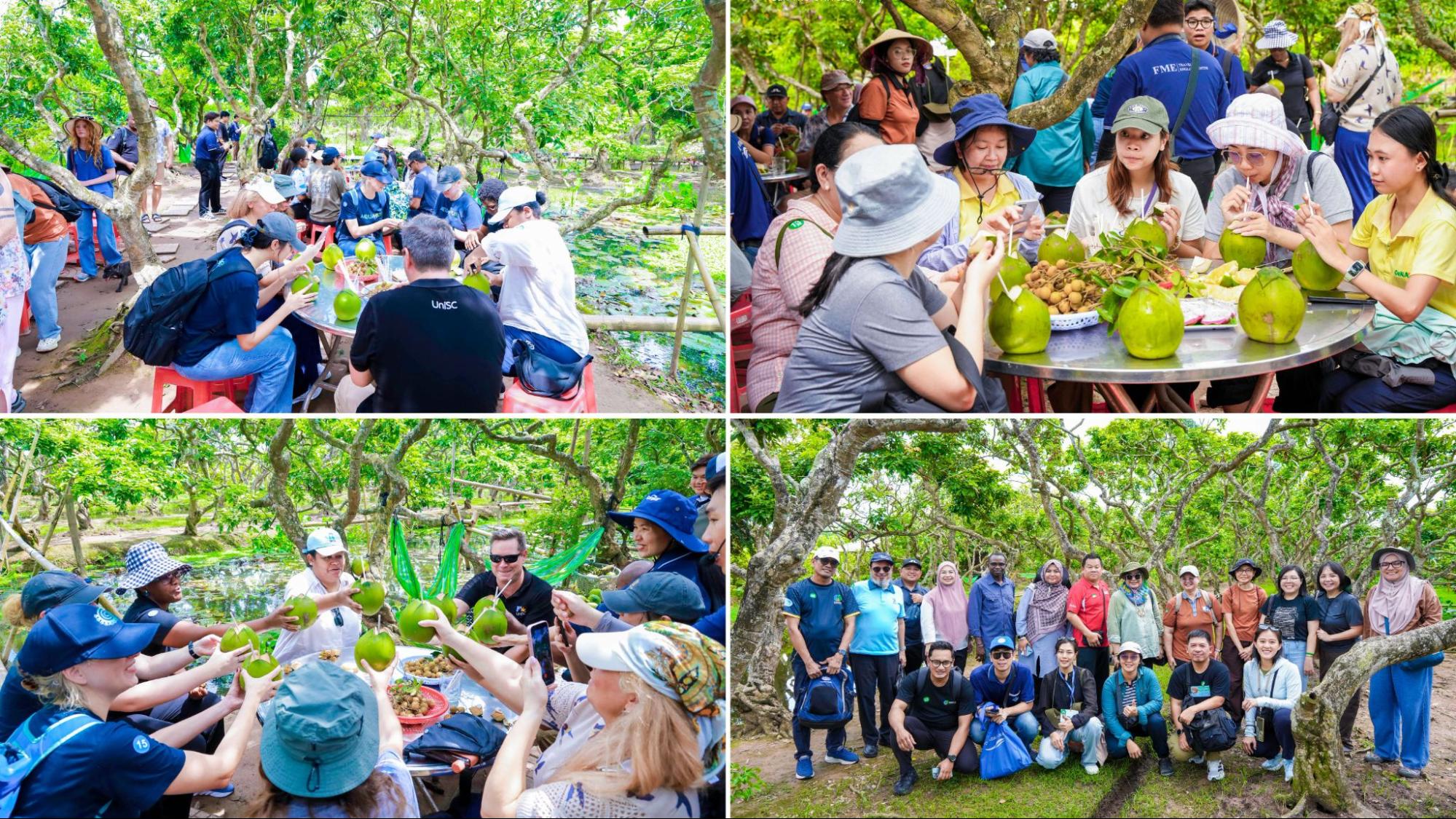
An important component of the program was a series of field visits to Con Son islet (Can Tho City) and the College of Aquaculture and Fisheries - CTU. Participants explored a community of tourism and aquaculture related to nature-based aquaculture and exchanged views on initiatives to add value to local aquatic products and strengthen their commercialization. Direct engagement with these models helped connect discussions in the meeting room with implementation conditions on the ground, providing a basis for examining their suitability, as well as the opportunities and challenges involved in applying these solutions across different production contexts.
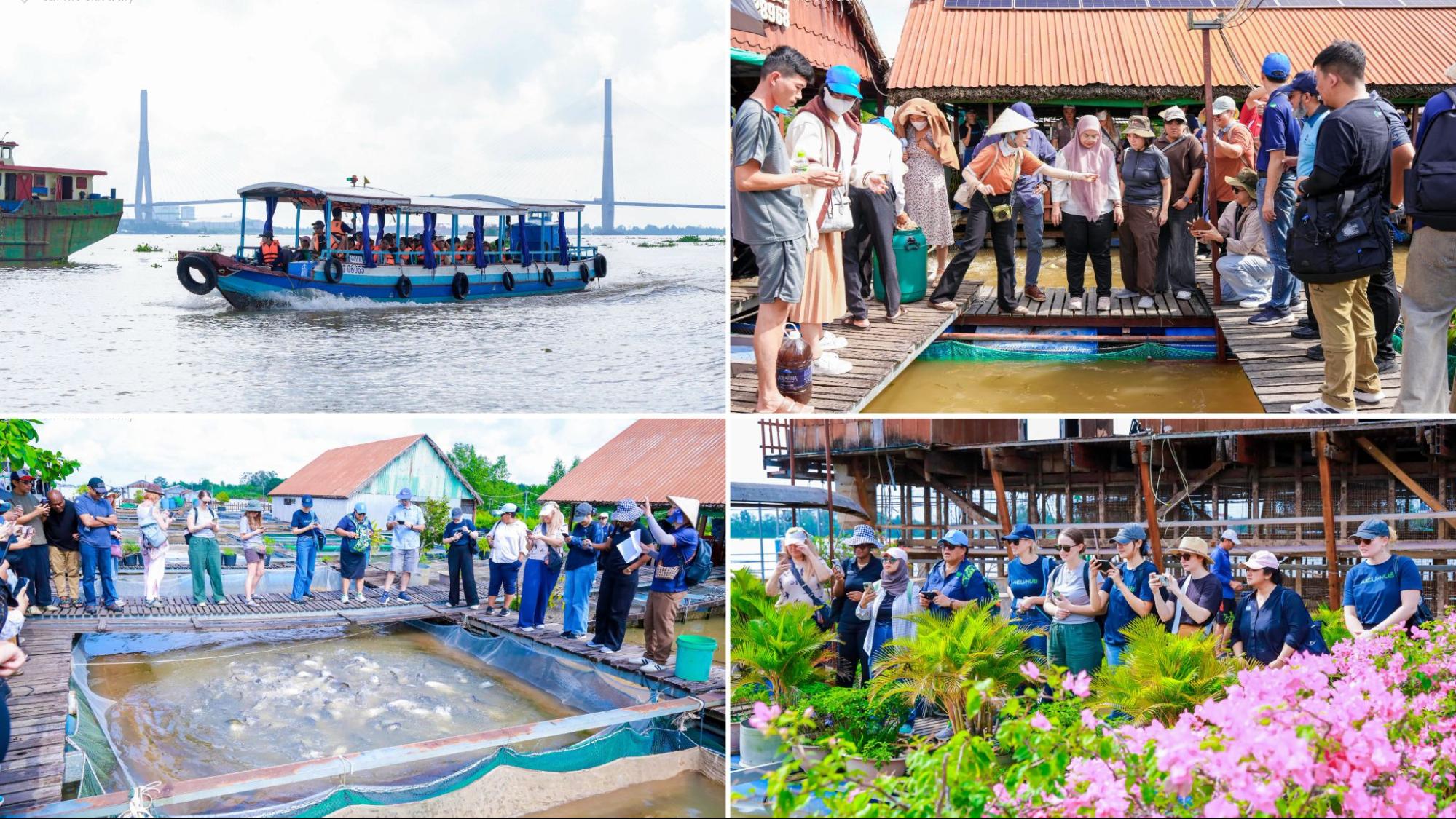
 Participants conducted a field visit to Con Son islet (Can Tho City), to learn about an aquaculture model incorporating nature-based approaches to climate change adaptation
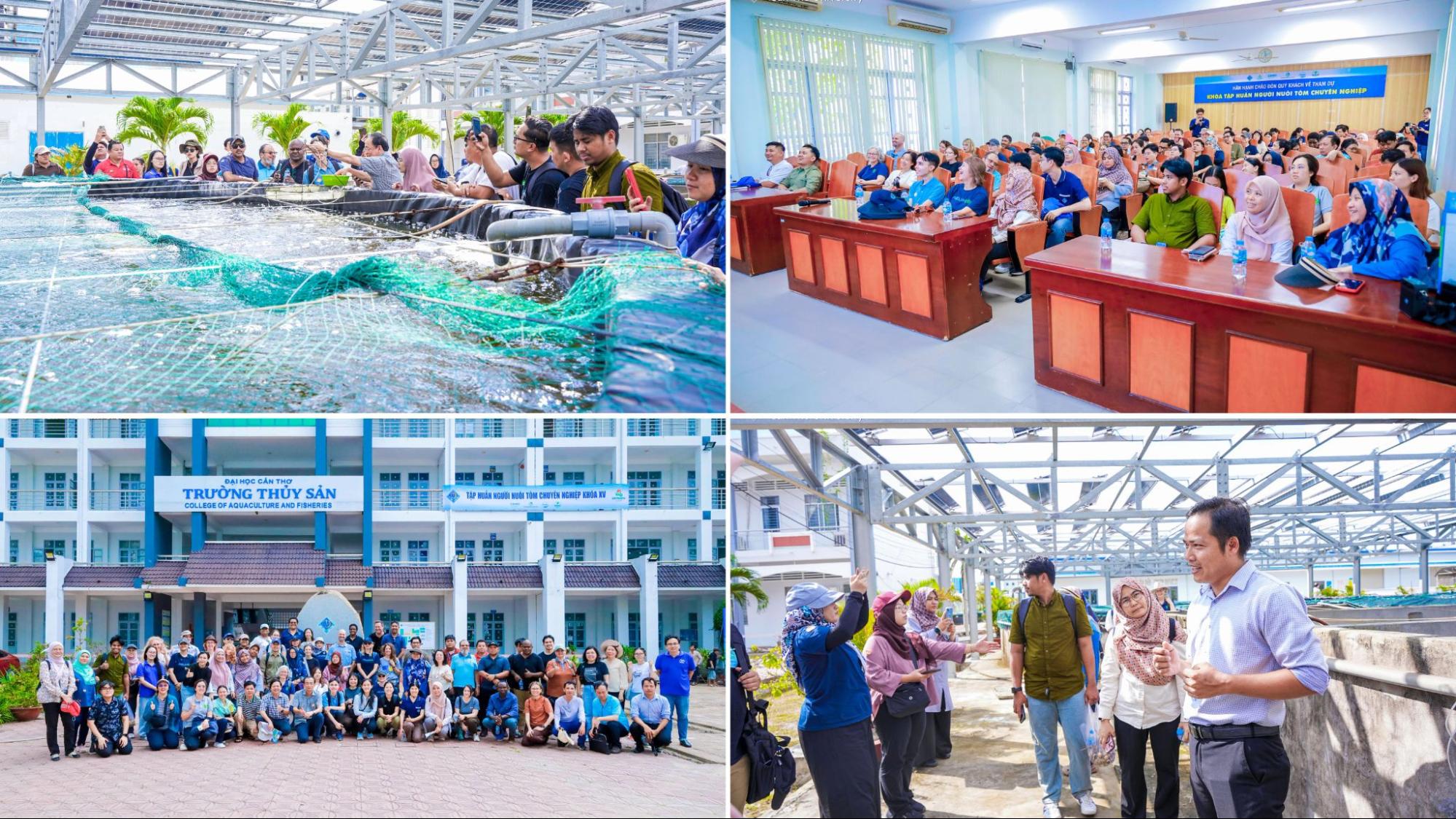
Participants visited and learned about project models for circular/green aquaculture and intensive multi-species aquaculture at CTU
Building on the findings and experiences shared, subsequent sessions focused on the science of scaling impact, planning approaches, and strategies for expanding solutions with potential for practical application. Participants exchanged views and feedback on scaling strategies and discussed shared action messages relating to the Asian Fisheries Innovation Network, gender equality and social inclusion, and the definition and impacts of nature-based solutions. These discussions represented an important step toward moving beyond the exchange of individual experiences to exploring how knowledge can be applied, collaboration strengthened, and research outcomes leveraged in a wider range of practical settings.
Advancing Can Tho University's Role in Research for Sustainable Development
CTU's collaboration in organizing the program helped broaden opportunities for cooperation among scientists, research institutions, and stakeholders working on climate-resilient aquaculture. For CTU, the event also provided an opportunity to leverage its research capacity, strengthen international knowledge exchange, and align research priorities with the practical needs of the Mekong Delta. In this region, livelihoods and aquaculture production are closely linked to natural conditions and environmental changes.
Through professional exchange, field visits, and the development of strategies for scaling impact, the program highlighted that the value of research collaboration lies not only in generating new knowledge but also in translating that knowledge into practice. Such efforts can help strengthen adaptive capacity and support the development of production models suited to local conditions. This approach also aligns with CTU's mission to educate and develop human resources, conduct scientific research, and transfer knowledge for the benefit of communities, particularly in addressing the development challenges facing the Mekong Delta.
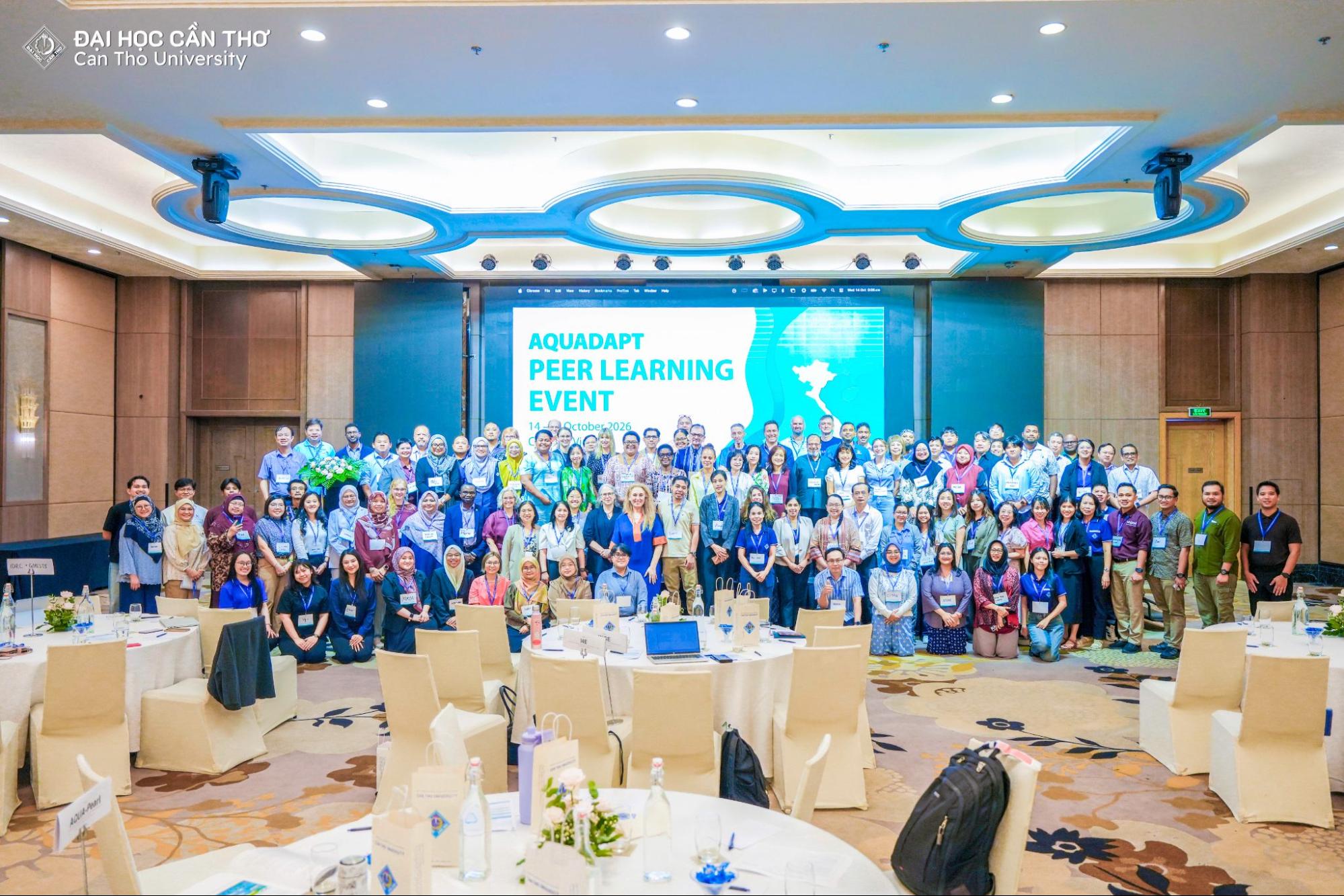
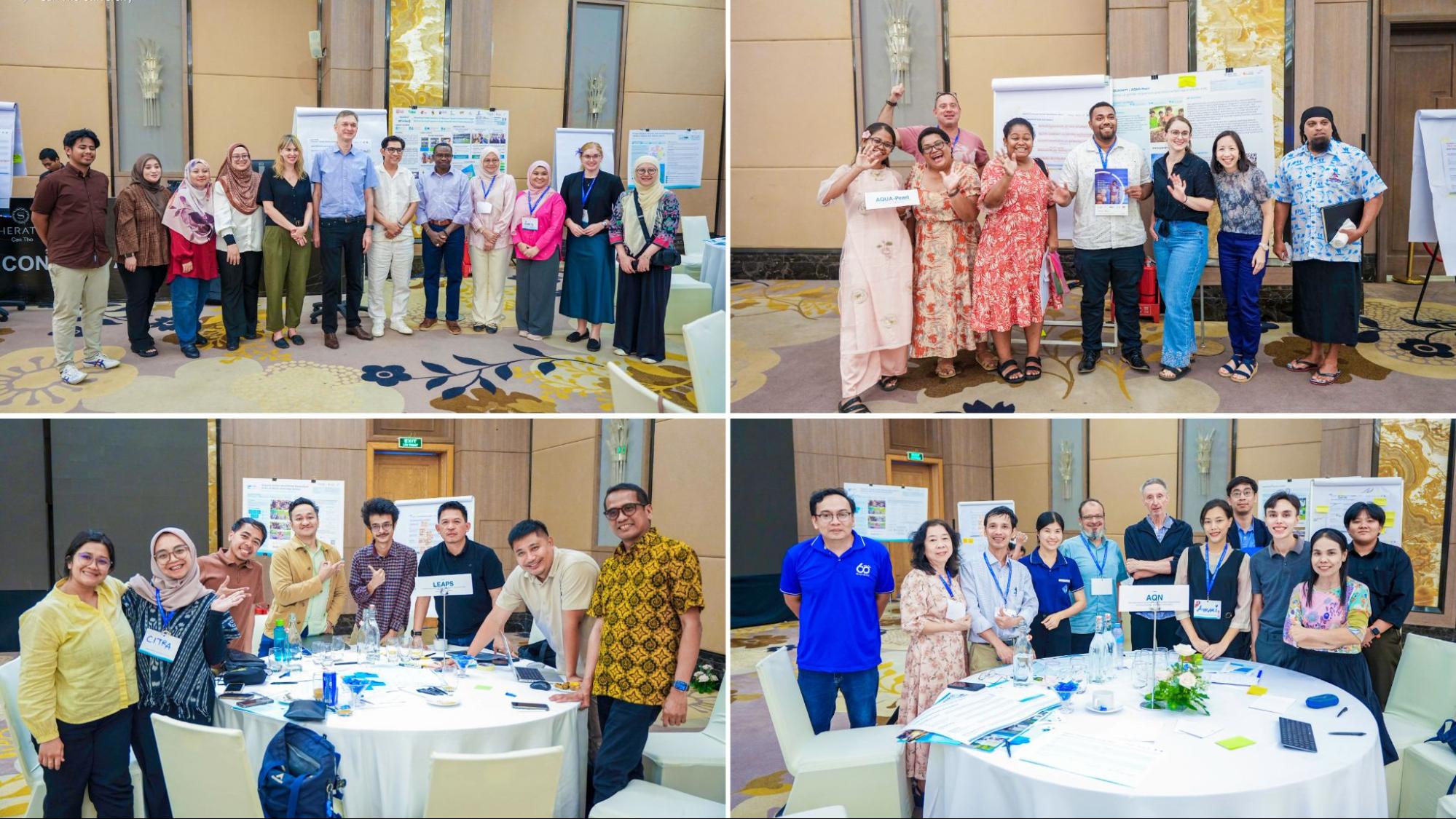
Commemorative photo of program participants
Building on its international partnerships and interdisciplinary research capacity, CTU continues to promote the integration of science and practice, advance solutions that respond to local development needs, and contribute to broader climate change adaptation goals. Exchanges under the AQUADAPT-Nature program provide an opportunity for partners to continue sharing experience, strengthen collaborative priorities, and explore opportunities to apply nature-based solutions in aquaculture in Vietnam and across the region.
(Website Editorial Board)